

The Wanderers
A story about people
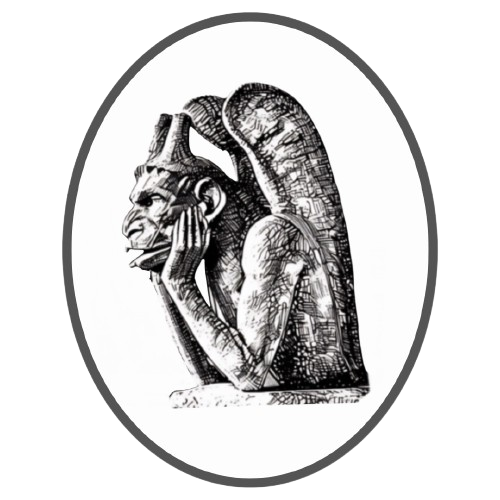
It could see everything from the top of the church. From sea to land and back again, the water wrapping itself snake-like around the broken edges. On a clear day, the ships would shimmer far out at the edges of the earth, soft white foam ebbing and flowing around their helm, and on dark days it could see nothing farther than the lower church roof.
The fog could get so thick here.
Dense like tar, sticking to everything.
Most days balanced somewhere grey in between. A gloomy morning followed by a blinding, golden afternoon, layers of the world peeling away when the sun trickled in. As it warmed the cold stone of Its body, lifted the menacing shadows from the deep folds in its brow, It would see the Wanderers and the people appear below.
And on those days It would watch.
Over the decades It had developed preferences for particular spots: the cafe on the corner with the green windows, the big belching warehouse four streets over, the fourth, ninth and seventh windows of the tenement directly opposite that didn’t have thick curtains and the top floor flat at the crossroads. Most of these places had existed for long enough to have a heartbeat, a soul of sorts, a steady thrum of footsteps on weary stone echoing through time.
The Cafe, for example, had initially started out as a small greengrocers shop. In the evenings It could still see the outlines of dark shelves lining the walls filled with jars and bags and bottles, all carefully placed behind the golden track of the ladders. “McNaughton’s” was painted in sharp red letters on the stone above the door, chipped and faded now, but its ghostly outline was still there. The shop had closed for a while after McNaughton passed before being bought up and turned into a cafe, as most places had. Four different sets of hands had traded it before today’s young couple.
The lunchtime line at the cafe was filled with Warehouse workers, more and less polished than they had always been. It remembers the workers wearing suits to work, baggy beige, brown and black things held up by thick suspenders topped with pillowy rolled-up sleeves. Each day It could see the Wanderers standing alongside their modern counterparts in line, so similar and so incredibly different. The mood hadn’t changed though, there was always laughter, the comforting rumble of lots of conversations happening all around as they waited in line for food and tea, season after season, day after day.
At five o’clock, workers left the cafe or the Warehouse, and made their way home to the tenements that lined the streets like a hedge maze, unchanged through the generations. Heavy feet thumped up the bowed stairs, keys rattled and clicked in locks. So high up, It was able to pick the sounds out easily. This was best later in the year when the sun was being smothered down by clouds, in the early afternoon as colder air lingered around. When it was dark It would see the windows light up, see the workers and Wanderers dance along curtains like shadow puppets as the people inside lived their small lives, cooking and cleaning and sleeping and loving, each unaware that the others were doing the exact same things on their own little glowing stages, as decades worth of people had before.
The top floor flat, however, was different. New and almost completely made of glass on all sides it shined like a beacon above the mossy grey slates. It could see life play out almost constantly in this house, but it felt sterile, lonely, seeing as there was only one person wandering around inside. Not enough time had passed for any Wanderers to latch on. Until recently, no one had ever been so close to the sky. Their slow mornings, joyful afternoons, sad, drunken evenings, all there close enough that It felt as if their life were their own at times. Without the buffer of countless other faces and bodies whirring around the tenant seemed impossibly alone in their terrarium. Singular. Untouchable and removed from the bustling crossroads below. Sometimes when It tried to imagine being that person, as It often did on dull, rainy evenings as water poured from Its mouth, It would feel a dense heaviness fall over them. It would feel hollowed out, and wondered if the person inside felt the same.
There were more people in the city now than there had ever been before, It was sure of it. The city limits constantly pushed further and further away from the centre that It called home, and so new buildings like the terrarium were needed. Buildings were made taller, parks and empty space filled in with new houses of differing styles and materials to make room for all the new people being born, but It couldn’t ever remember them feeling as empty as that one did. The terrarium stood without any character, nothing endearing to draw the eye other than reflections of the endless sky. There wasn’t the sweetness of children running up and down the stairs, their tiny hands wearing away at the painted walls, of couples cuddled on the sofa hiding from the world, of blood and sweat and tears soaked deep into the foundations of each and every room- a fingerprint within the city that set it apart.
The terrarium was high enough up that people on the streets would look up and wish to be wealthy enough to be inside, to be up above the chipped windows and messy neighbours kitchens in the olympus quiet of it all. But, from up on high, It watched the person inside paced around at night, often looking down at the street, wondering why they wanted so badly to be back amongst the noise.
In every inch of the city, It was able to see decades’ worth of people, souls, still wandering the same paths to work, to the shops, to see friends as they had done when alive. Most streets were old, thin and cobbled, meaning that often the Wanders would walk through each other, dissipate like mist and then reform unaware that anything had happened. One would trip on a loose cobble then look back at it swearing without seeing that hundreds of others were tripping on the same stone, only years and years earlier or after.
Mr McNaughton would still walk by the window waving to the people outside despite being cut in half by the cafe’s new window seat. He would stand with someone’s coffee cup drifting through his chest as they sipped, ringing up an order from fifty years prior, handing the paper bags out into a sea of reaching arms, a sea of steady and inevitable repetition. The workers outside shifted side to side on tired feet making their edges twitch like tv static as ten men, each slightly dimmer than the other stood in each other’s boots. Children jumped and skipped and laughed together, playing hopscotch over a painted grid that flickered solid and then worn depending on which tiny feet touched it.
At the end of the day, It didn’t just hear a few sets of keys jingle in their locks, but hundreds of them, thousands even, windchimes drifting through open closey windows then the thunderus clap of doors slamming closed behind. The current tenants’ shadows were the darkest against the curtains and walls, but trailing around them were lighter shadows, different sizes and shapes and speeds, all from different worlds, all wandering around boiling the kettle.
It would often see new Wanderers appear, popping into existence again to walk in their old shoes to talk and hug and wave. The buildings often did the same, flickering between new shiny signs with lights and neon, to old hand-painted block letters with peeling paint. They would photograph it, the visitors in the city, point at it and comment on how lovely it looked, how they couldn’t imagine living in a time like that while the people who had wandered right through them.
It would continue to happen, It was sure, new generations of Wanderers dressed in their old favourite clothes would add their footsteps back into the parade of ghosts on cobbles. More sets of keys and more meals cooked again and again and again as millions of little lives carried on behind the same old, and new, walls.
Life, It thought, seemed difficult to snuff out.
Images:
Post thumbnail image: Photo by Jean Pierre: https://www.pexels.com/photo/close-up-of-gargoyle-statue-5466936/
Rebecca E Morris 2025 © All Rights Reserved